fbpx

Breaking down the Robinhood Chain a blockchain built specifically for RWA

Breaking down the Robinhood Chain a blockchain built specifically for RWA

Breaking down the Robinhood Chain momentum: a blockchain built specifically for RWA

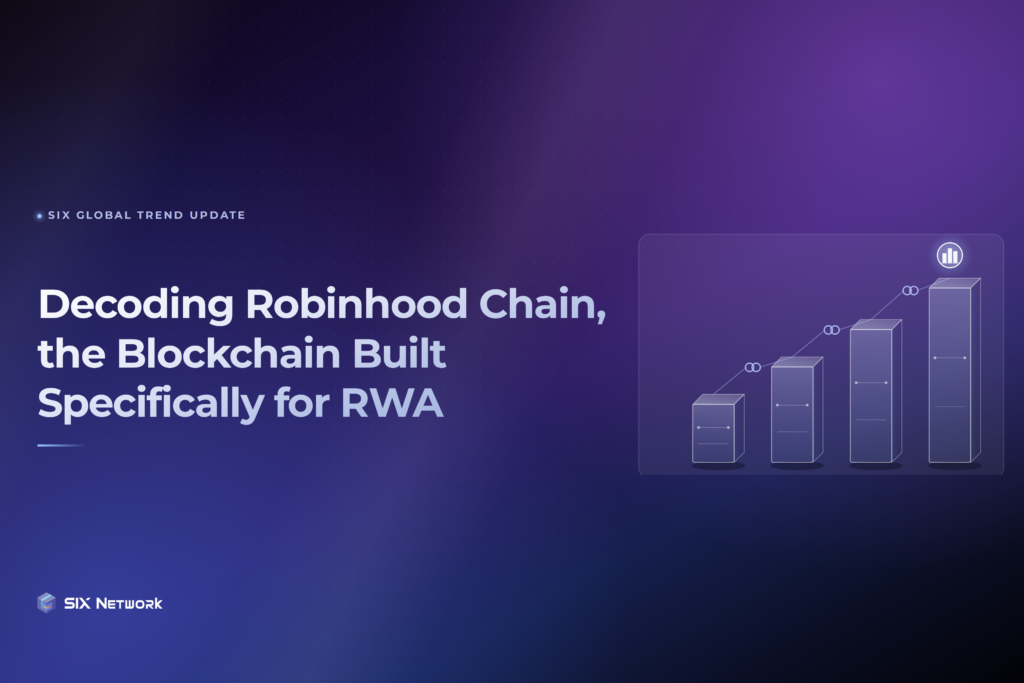
Imagine one of the most widely used stock trading apps in America, Robinhood, deciding to build its own blockchain from scratch, so people can trade stocks like Apple or Nvidia around the clock, no longer bound by stock market opening and closing hours.


From America’s favorite stock trading app to a blockchain outpacing Ethereum in volume


Robinhood launched Robinhood Chain on July 1, positioned clearly as a blockchain built specifically to support RWA tokenization, the process of bringing real-world assets onto a blockchain. It runs as an Ethereum Layer 2 network on Arbitrum Orbit technology. The response exceeded expectations from week one: the total value of assets on the chain grew from $10 million to $100 million within a single week, and total asset market cap on the chain crossed $420 million within days of launch.


As of July 12, Robinhood Chain’s value reached $878 million, making it the world’s second-largest chain by daily trading volume, overtaking major rivals like Ethereum, the pioneering blockchain of the industry, and Base, the blockchain built by Coinbase, one of the largest crypto trading apps. That’s a fast climb for a chain that had only been live for 11 days.


Analyzing Robinhood Chain’s growth in value

The rapid rise in total assets on the chain comes largely from Morpho, a crypto lending app, which accounts for $90 million of the $100 million total. As for the trading volume that pushed past Ethereum, Hayden Adams, founder of Uniswap, one of the industry’s largest crypto trading apps, revealed that 99.5% of that volume came from his app alone. The most heavily traded assets were mostly “meme coins,” tokens with no underlying business or real value behind them, traded purely on hype, like CASHCAT, which surged more than 1,100% in a single day.


Why did Robinhood build its own chain specifically for RWA

Vlad Tenev, CEO of Robinhood, has placed such weight on RWA that he’s repeated this conviction across multiple media appearances within a short span. It started on July 2, when he told CNBC, a major US financial news outlet, “I believe the future of crypto is in real-world assets. If an asset isn’t tied to underlying utility, it isn’t a productive asset. What’s the benefit of making a million different meme coins?” He added, “Everything that is running on traditional rails will eventually become on-chain tokenized.”


Those comments were picked up widely by crypto and financial media, including CoinDesk, Cointelegraph, and Bloomingbit. Just a few days later, on July 8, he reiterated the same conviction in a post on X: “While we’re building Robinhood chain to be the best chain for RWA… it works great for memes too.” His comments reflect a view that assets with real value behind them, like stocks, bonds, or real estate, represent the long-term direction of the crypto industry.


Shifting strategy from service provider to owning the infrastructure itself

Another reason, as analyzed by crypto industry outlet ChainCatcher, comes down to control over the business. Previously, Robinhood directed users to trade through other companies’ blockchains, making itself just an access channel. Having its own chain lets Robinhood control the entire trading process, settlement, collateral, and yield across its various assets, shifting its position from a service provider to a direct owner of financial infrastructure.


These reasons line up with what’s happening across the industry right now, as major financial institutions like BlackRock increasingly move into tokenization. The total RWA market currently stands at roughly $63.9 billion, with Citigroup projecting it could grow to $5.5 trillion by 2030.


Several major global chains are turning their attention toward RWA around the same period, a direction SIX Network has recognized and has been building RWA tokenization infrastructure across the SEA region for several years as well.


On the other hand, Robinhood already has an existing user base of over 28 million people using its app, giving it instant access to tokenized stocks without needing to download a new app, an advantage no other chain starts with. Chainlink, the system that feeds real-world asset prices into the blockchain, was integrated from day one, infrastructure that’s necessary for making tokenized stocks credible.


The coming weeks will be the real test of how much tokenized stock trading volume can replace the meme coin activity driving the numbers today.

Learn more about SIX Network:

Website l Telegram l Twitter l Facebook l Discord l Medium


Disclaimer:

1. This article is intended for informational purposes only. Please conduct your own research before making any investment decisions related to cryptocurrencies


2. Cryptocurrency and digital token involve high risk; investors may lose all investment money and should study information carefully and make investments according to their own risk profile

Don’t miss out follow us at:

Warisara Thepsiri
Warisara Thepsiri

Experience the magic of Blockchain with SIX Network!

Related Posts

SIX Network Announces Strategic Partnership with Piggycell to Advance RWA Between Thailand and South Korea

SIX Network ประกาศความร่วมมือเชิงกลยุทธ์กับ Piggycell เพื่อร่วมผลักดัน RWA ระหว่างไทยและเกาหลีใต้

SIX Network ประกาศความร่วมมือเชิงกลยุทธ์กับ Piggycell บริษัทจากเกาหลีใต้ที่พัฒนาโครงสร้างพื้นฐาน Real-World Asset สำหรับพลังงานเคลื่อนที่ ภายใต้แนวคิด RWA Infrastructure for Mobile โดย Piggycell นำพลังงานในโลกจริง มาเชื่อมต่อกับระบบ Web3 ผ่าน DePIN

Read More

Meet Tokenized Equities, Before Wall Street Fully Moves On-Chain

Meet Tokenized Equities, Before Wall Street Fully Moves On-Chain

Get To Know Tokenized Equitites

Tokenized Equities: the on-chain stock category that grew several times over in a single year


In a Real-World Assets market where private credit and US Treasuries usually dominate the conversation, another category is closing the gap fast: Tokenized Equities, stocks issued as tokens on a blockchain. The trend just got a lot harder to ignore after ICE, the parent company of the New York Stock Exchange, committed $200 million into the space, a clear sign that mainstream capital markets are paying attention.


Tokenized Equities take shares from traditional exchanges, think Tesla, Nvidia, Alphabet, and issue them as digital tokens on-chain, each backed 1:1 by the underlying share through a regulated custodian. That structure lets investors trade around the clock instead of being limited to exchange hours, hold fractional positions, and move tokens across platforms in real time, a sharp contrast to traditional equities, which are bound by trading hours and settlement cycles that can take days.


What’s new

The category went from having almost no footprint in 2024 to visible, active trading by early 2026. Ondo Finance, through its Global Markets platform, holds roughly 60% of the market. It has also partnered with Franklin Templeton to tokenize five ETFs, and teamed up with Broadridge to let holders of tokenized stocks and ETFs vote the shareholder rights tied to the underlying assets.


Larger institutions are moving too. ICE put $200 million into OKX, with plans to bring NYSE-listed stocks onto its X Layer chain in tokenized form during the second half of 2026. DTCC, which clears and safekeeps over $114 trillion in US securities, has started piloting tokenized securities trading with more than 50 financial institutions, with a possible full commercial rollout by October 2026.


Current market size

RWA.xyz puts the total value of Tokenized Equities at around $960 million as of March 2026, up sharply from roughly $424 million in mid-2025. That’s still under 5% of the broader $20 billion Tokenized RWA market.


But with growth north of 2,000% over the past year, a number of industry voices now see this as the year Tokenized Equities breaks out, a signal that mainstream capital markets infrastructure is starting to move on-chain in earnest.


Role of SIX Network

The rapid growth of Tokenized Equities in global markets reflects the same problem SIX has already built infrastructure to solve: making traditional assets, whether stocks, real estate, or debt instruments, easier to access and trade, without requiring a full overhaul of existing systems.


What Ondo did with Franklin Templeton, letting token holders vote the shareholder rights tied to the underlying asset, is a concrete example of what Cap Table Tracking in SIX Garage is built to support: keeping ownership and holder entitlements accurate and verifiable even after a tokenized asset changes hands on-chain.


That leaves the infrastructure ready to scale if demand for tokenizing stocks or other assets in the region grows in line with this global trend.

Learn more about SIX Network:

Website l Telegram l Twitter l Facebook l Discord l Medium


Disclaimer:

1. This article is intended for informational purposes only. Please conduct your own research before making any investment decisions related to cryptocurrencies


2. Cryptocurrency and digital token involve high risk; investors may lose all investment money and should study information carefully and make investments according to their own risk profile

Don’t miss out follow us at:

Warisara Thepsiri
Warisara Thepsiri

Experience the magic of Blockchain with SIX Network!

Related Posts

SIX Network Announces Strategic Partnership with Piggycell to Advance RWA Between Thailand and South Korea

SIX Network ประกาศความร่วมมือเชิงกลยุทธ์กับ Piggycell เพื่อร่วมผลักดัน RWA ระหว่างไทยและเกาหลีใต้

SIX Network ประกาศความร่วมมือเชิงกลยุทธ์กับ Piggycell บริษัทจากเกาหลีใต้ที่พัฒนาโครงสร้างพื้นฐาน Real-World Asset สำหรับพลังงานเคลื่อนที่ ภายใต้แนวคิด RWA Infrastructure for Mobile โดย Piggycell นำพลังงานในโลกจริง มาเชื่อมต่อกับระบบ Web3 ผ่าน DePIN

Read More

เจาะลึก Tokenized Equities หุ้นบนบล็อกเชนที่โตขึ้นหลายสิบเท่าในปีเดียว

เจาะลึก Tokenized Equities หุ้นบนบล็อกเชนที่โตขึ้นหลายสิบเท่าในปีเดียว

Get To Know Tokenized Equitites

Tokenized Equities หุ้นบนบล็อกเชนที่โตขึ้นหลายสิบเท่าในปีเดียว


ในตลาด Real-World Assets ที่ขยายตัวต่อเนื่อง สินทรัพย์ที่ถูกพูดถึงมากที่สุดมักเป็น private credit และ US Treasuries แต่ตอนนี้มีอีกหมวดหนึ่งที่กำลังไล่ตามมาติดๆ นั่นคือ Tokenized Equities หรือหุ้นที่ถูกแปลงเป็นโทเคนบนบล็อกเชน และล่าสุดกระแสนี้ยิ่งชัดเจนขึ้น เมื่อ ICE บริษัทแม่ของตลาดหลักทรัพย์นิวยอร์ก (NYSE) ทุ่มเงินลงทุนถึง 200 ล้านดอลลาร์เข้าสู่วงการนี้ สะท้อนว่าตลาดหุ้นกระแสหลักเริ่มจับตาเทรนด์นี้อย่างจริงจังแล้ว


Tokenized Equities คืออะไร คือการนำหุ้นในตลาดหลักทรัพย์ดั้งเดิม เช่น Tesla, Nvidia, Alphabet มาออกเป็นโทเคนดิจิทัลบนบล็อกเชน โดยแต่ละโทเคนมีหุ้นจริงหนุนหลังแบบ 1:1 ผ่านผู้ดูแลสินทรัพย์ (custodian) ที่ได้รับการกำกับดูแล ทำให้นักลงทุนซื้อขายได้ตลอด 24 ชั่วโมงโดยไม่ต้องผูกกับเวลาทำการของตลาดหุ้น สามารถถือเป็นเศษส่วนของหุ้นได้ (fractional ownership) และโอนย้ายข้ามแพลตฟอร์มได้แบบเรียลไทม์ ต่างจากหุ้นดั้งเดิมที่ติดข้อจำกัดเรื่องเวลาซื้อขายและกระบวนการชำระราคาที่ใช้เวลาหลายวัน


อัปเดตล่าสุด

ตลาดนี้เติบโตแบบก้าวกระโดด จากที่แทบไม่มีมูลค่าในปี 2024 มาเป็นตลาดที่มีการเคลื่อนไหวชัดเจนในช่วงต้นปี 2026 โดย Ondo Finance ผ่านแพลตฟอร์ม Global Markets ครองส่วนแบ่งราวๆ 60% ของตลาดทั้งหมด และยังได้จับมือกับ Franklin Templeton นำ ETF 5 กองทุนขึ้นโทเคน พร้อมร่วมกับ Broadridge ให้ผู้ถือโทเคนหุ้น/ETF สามารถโหวตสิทธิ์ของผู้ถือหุ้นที่อ้างอิงอยู่ได้


ฝั่งสถาบันขนาดใหญ่ก็ขยับตาม เช่น ICE บริษัทแม่ของ NYSE ที่ลงทุน 200 ล้านดอลลาร์ใน OKX พร้อมแผนนำหุ้นที่จดทะเบียนใน NYSE มาให้บริการแบบโทเคนผ่านเชน X Layer ในช่วงครึ่งหลังของปี 2026 ขณะที่ DTCC ซึ่งเป็นผู้เคลียร์และดูแลสินทรัพย์หลักทรัพย์สหรัฐฯ มูลค่ากว่า 114 ล้านล้านดอลลาร์ ก็เริ่มไพลอตทดสอบการซื้อขายหลักทรัพย์แบบโทเคนร่วมกับสถาบันการเงินกว่า 50 แห่ง ซึ่งอาจเปิดให้บริการเชิงพาณิชย์เต็มรูปแบบได้ภายในเดือนตุลาคม 2026


มูลค่าตลาดปัจจุบัน

ข้อมูลจาก RWA.xyz ระบุว่า มูลค่ารวมของ Tokenized Equities อยู่ที่ราว 960 ล้านดอลลาร์สหรัฐ ณ เดือนมีนาคม 2026 เพิ่มขึ้นอย่างมากจากราว 424 ล้านดอลลาร์เมื่อกลางปี 2025 แม้ตัวเลขนี้จะยังคิดเป็นสัดส่วนไม่ถึง 5% ของตลาด Tokenized RWA โดยรวมที่มีมูลค่าราว 20,000 ล้านดอลลาร์


แต่ด้วยอัตราการเติบโตที่สูงกว่า 2,000% ในรอบปีที่ผ่านมา ทำให้หลายฝ่ายในวงการมองว่านี่อาจเป็นปีแห่ง Tokenized Equities และเป็นสัญญาณว่าโครงสร้างพื้นฐานตลาดทุนกระแสหลักกำลังทยอยย้ายขึ้นบล็อกเชนอย่างจริงจัง


บทบาทของ SIX Network 

Tokenized Equities ที่กำลังโตแบบก้าวกระโดดในตลาดโลก สะท้อนโจทย์เดียวกับที่ SIX วางโครงสร้างพื้นฐานไว้รองรับอยู่แล้ว คือการทำให้สินทรัพย์ดั้งเดิม ไม่ว่าจะเป็นหุ้น อสังหาริมทรัพย์ หรือตราสารหนี้ เข้าถึงได้ง่ายขึ้น ซื้อขายได้คล่องตัวขึ้น โดยไม่ต้องรื้อระบบเดิมทั้งหมด


จุดที่ Ondo ทำกับ Franklin Templeton (ให้ผู้ถือโทเคนโหวตสิทธิ์ผู้ถือหุ้นอ้างอิงได้) เป็นตัวอย่างที่ตรงกับสิ่งที่ Cap Table Tracking ใน SIX Garage ถูกออกแบบมารองรับ คือการทำให้กรรมสิทธิ์และสิทธิประโยชน์ของผู้ถือสินทรัพย์ที่ tokenize แล้วยังคงถูกต้อง ตรวจสอบได้ แม้จะซื้อขายเปลี่ยนมือบนเชนไปแล้วก็ตาม


ทำให้พร้อมขยายต่อได้ทันทีถ้าความต้องการ tokenize หุ้นหรือสินทรัพย์ในภูมิภาคเพิ่มขึ้นตามเทรนด์โลกนี้

เรียนรู้เพิ่มเติมเกี่ยวกับ SIX Network:

Website l Telegram l Twitter l Facebook l Discord l Medium


หมายเหตุ:

1. บทความนี้จัดทำขึ้นเพื่อวัตถุประสงค์ในการให้ข้อมูลเท่านั้น และไม่ถือเป็นคำแนะนำด้านการลงทุน โปรดศึกษาข้อมูลและทำการวิเคราะห์ด้วยตนเองก่อนตัดสินใจลงทุนในคริปโทเคอร์เรนซี

2. คริปโทเคอร์เรนซีและโทเคนดิจิทัลเป็นสินทรัพย์ที่มีความเสี่ยงสูง ผู้ลงทุนอาจสูญเสียเงินลงทุนทั้งหมดได้ โปรดศึกษาข้อมูลให้รอบคอบและลงทุนให้เหมาะสมกับระดับความเสี่ยงที่ท่านยอมรับได้

Don’t miss out follow us at:

Warisara Thepsiri
Warisara Thepsiri

Experience the magic of Blockchain with SIX Network!

Related Posts

SIX Network Announces Strategic Partnership with Piggycell to Advance RWA Between Thailand and South Korea

SIX Network ประกาศความร่วมมือเชิงกลยุทธ์กับ Piggycell เพื่อร่วมผลักดัน RWA ระหว่างไทยและเกาหลีใต้

SIX Network ประกาศความร่วมมือเชิงกลยุทธ์กับ Piggycell บริษัทจากเกาหลีใต้ที่พัฒนาโครงสร้างพื้นฐาน Real-World Asset สำหรับพลังงานเคลื่อนที่ ภายใต้แนวคิด RWA Infrastructure for Mobile โดย Piggycell นำพลังงานในโลกจริง มาเชื่อมต่อกับระบบ Web3 ผ่าน DePIN

Read More